Rerum architecto omnis fugiat quod et
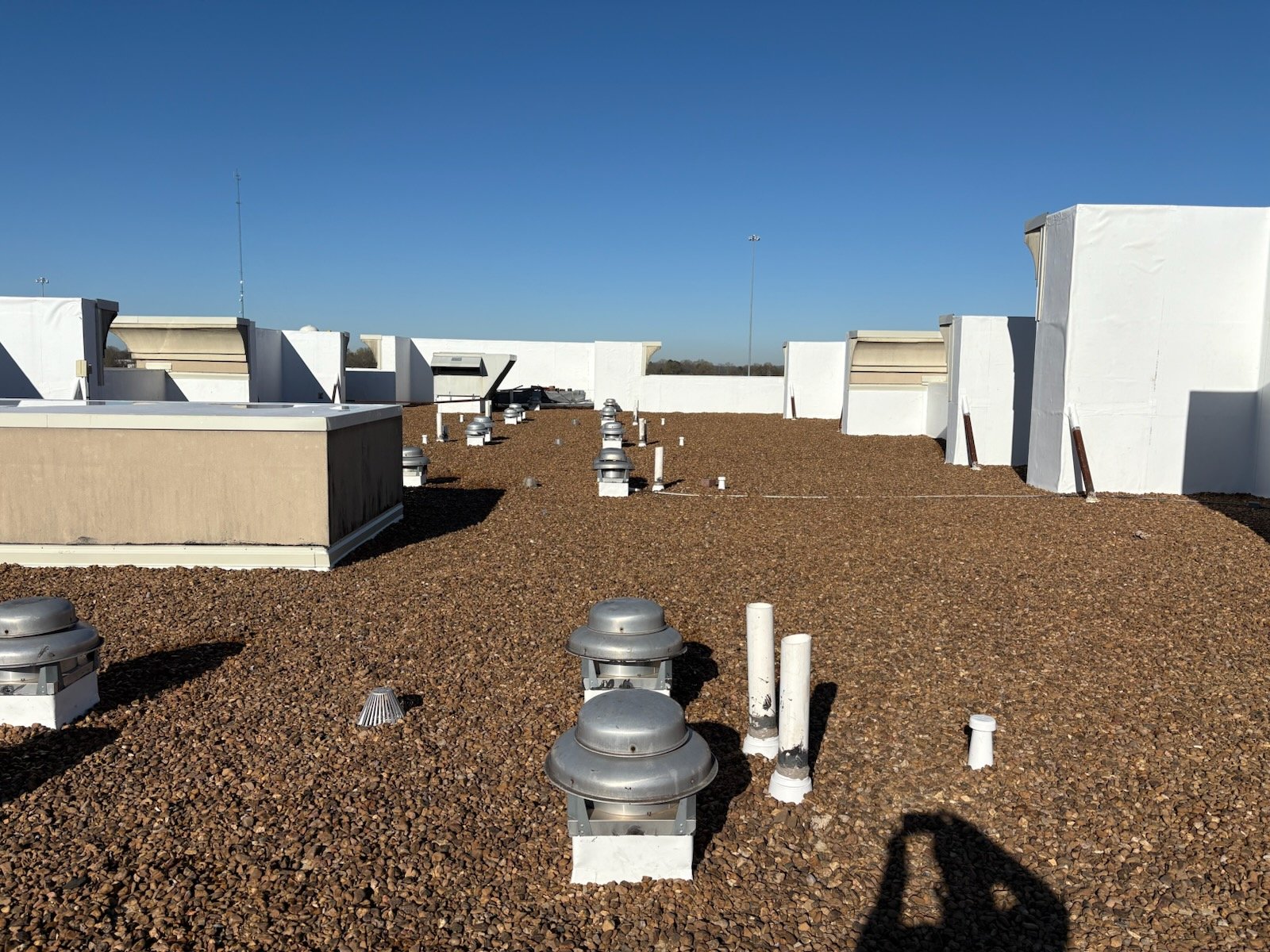
Fort Worth Commercial Roofing: What Every Property Manager Needs to Know
Managing commercial properties in Fort Worth comes with unique challenges. Your roof takes a beating from Texas weather.
Hailstorms, scorching summers, and sudden temperature drops can damage your building’s first line of defense. You need reliable roofing solutions that protect your investment.
This guide covers everything you need to know about commercial roofing in Fort Worth. You’ll discover the best materials for Texas weather. You’ll learn maintenance strategies that save money. You’ll understand when to repair and when to replace.
Whether you manage office buildings, warehouses, or retail centers, this information helps you make smart decisions. Let’s protect your property and your budget.
Why Fort Worth Commercial Roofs Face Unique Challenges
Fort Worth weather isn’t gentle on commercial roofs. You’re dealing with extreme conditions year-round.
Summer temperatures regularly hit 100°F. Your roof absorbs intense UV radiation. The heat causes materials to expand and contract. This constant movement creates stress on roofing systems.
Hailstorms strike the DFW area frequently. Texas leads the nation in hail damage claims. A single storm can cause thousands in repairs. Your roof needs to withstand impact from ice chunks.
Winter brings freezing temperatures overnight. Water can seep into small cracks. When it freezes, it expands. This freeze-thaw cycle damages even quality roofing materials.
Severe thunderstorms produce high winds. Gusts can lift sections of your roof. Loose materials become dangerous projectiles. Wind damage often requires emergency roof repair services.
Understanding these challenges helps you choose the right roofing system. Your selection should match Fort Worth’s demanding climate.
Top Commercial Roofing Materials for Fort Worth Properties
Selecting the right material protects your building and saves money. Here are the best options for Fort Worth commercial properties.
TPO Roofing: Energy Efficiency Meets Durability
TPO roofing dominates the Fort Worth commercial market. This single-ply membrane reflects sunlight effectively.
Your cooling costs drop significantly with TPO. The white surface keeps your building cooler. You’ll see lower utility bills during brutal Texas summers.
TPO resists UV radiation better than many alternatives. It handles temperature extremes well. The seams are heat-welded for superior strength.
Installation is faster than traditional built-up roofing. Labor costs stay reasonable. TPO typically lasts 15-20 years with proper maintenance.
Metal Roofing: Long-Term Investment
Metal roofing offers exceptional longevity for commercial buildings. You’re looking at 40-70 years of protection.
Standing seam metal performs exceptionally well in Fort Worth. The vertical panels shed water efficiently. Concealed fasteners reduce leak potential.
Metal reflects solar radiation. Your HVAC system works less. Energy savings add up over decades.
Hail resistance is a major advantage. Metal roofs can withstand significant impact. They’re also fire-resistant and environmentally friendly.
The initial cost is higher than membrane systems. However, the lifespan makes metal cost-effective long-term.
PVC Roofing: Chemical Resistance and Strength
PVC roofing excels in specific applications. Restaurants and facilities with exhaust systems benefit most.
PVC resists chemicals, grease, and oils. Your roof won’t degrade from kitchen exhaust. This makes it ideal for restaurant roofing projects.
The material is highly durable. It handles Fort Worth’s weather extremes. Hot-air welded seams create watertight barriers.
PVC costs more than TPO initially. The chemical resistance justifies the investment for certain buildings.
EPDM Roofing: Cost-Effective Protection
EPDM roofing provides budget-friendly flat roof solutions. This rubber membrane has proven reliability.
EPDM installations are straightforward. Labor costs remain low. The material itself is affordable compared to alternatives.
It performs well in cold weather. The rubber stays flexible during temperature swings. EPDM resists ozone and UV exposure.
The dark color absorbs heat. Your cooling costs might be higher than with reflective systems. Consider this factor for Fort Worth’s hot summers.
Commercial Roofing Cost Breakdown for Fort Worth
Understanding costs helps you budget effectively. Here’s what you can expect for commercial roofing in Fort Worth.
| Roofing Type | Cost Per Square Foot | Lifespan | Best For |
|---|---|---|---|
| TPO | $5.50 – $9.50 | 15-20 years | Most commercial buildings |
| PVC | $7.00 – $12.00 | 20-30 years | Restaurants, chemical exposure |
| EPDM | $4.50 – $8.00 | 15-25 years | Budget-conscious projects |
| Metal (Standing Seam) | $10.00 – $18.00 | 40-70 years | Long-term investments |
| Modified Bitumen | $5.00 – $9.00 | 10-20 years | Multi-layer protection |
These prices include materials and installation. Your actual costs depend on several factors.
Building size affects pricing. Larger roofs cost less per square foot. Economies of scale reduce labor and material expenses.
Roof complexity matters. Multiple penetrations increase labor. Difficult access drives up costs.
Existing roof condition impacts total investment. Sometimes you can install over the old roof. Other times, complete tear-off is necessary.
Roof inspections help determine the best approach. Professional assessment saves money in the long run.
Maintenance Strategies That Extend Roof Lifespan
Proactive maintenance protects your roofing investment. Regular care prevents expensive emergencies.
Schedule Biannual Inspections
Your roof needs professional evaluation twice yearly. Spring and fall are ideal timing.
Commercial roof inspections identify problems early. Small issues get fixed before they escalate.
Inspectors check for membrane damage. They examine flashing and penetrations. Drainage systems get evaluated too.
Fort Worth’s severe weather makes inspections critical. Post-storm assessments catch hail damage. Early detection helps with insurance claims.
Implement a Roof Maintenance Program
Roof maintenance programs save money long-term. Preventive care costs less than emergency repairs.
Regular cleaning prevents drainage problems. Debris blocks water flow. Standing water deteriorates roofing materials.
Seal coatings extend membrane life. Acrylic roof coatings and silicone roof coatings protect underlying materials.
Scheduled maintenance identifies minor issues. You address them during planned service. This prevents business interruption from emergency repairs.
Monitor Drainage Systems
Water is your roof’s biggest enemy. Proper drainage is essential in Fort Worth.
Clean gutters and drains regularly. Leaves and debris cause backups. Water pools when drainage fails.
Standing water accelerates roof deterioration. Membrane materials break down faster. Leaks develop at seams and penetrations.
Install overflow drains as backup systems. They prevent catastrophic flooding during heavy rains. Fort Worth thunderstorms can overwhelm primary drainage.
Address Repairs Immediately
Small problems become major expenses quickly. Don’t delay necessary repairs.
Commercial roof leak detection finds moisture intrusion. Modern technology locates problems without destructive testing.
Fix minor leaks promptly. Water damage spreads inside your building. Ceiling tiles, insulation, and inventory suffer.
Commercial roof repairs cost less than replacements. Timely intervention extends your roof’s functional life.
Signs Your Fort Worth Commercial Roof Needs Attention
Recognizing warning signs prevents disasters. Watch for these indicators.
Interior Water Damage
Water stains on ceilings signal roof problems. Don’t ignore discoloration or dampness.
Musty odors indicate hidden moisture. Mold grows in wet building materials. This creates health hazards for occupants.
Check for water damage after storms. Fort Worth’s severe weather often causes leaks. Quick response minimizes interior damage.
Visible Membrane Damage
Walk your roof regularly if safety permits. Look for obvious problems.
Blistering indicates trapped moisture. Bubbles form under the membrane. These areas are vulnerable to tears.
Cracks and splits need immediate attention. UV exposure and temperature cycles cause material breakdown.
Ponding water shows drainage issues. Water should drain within 48 hours. Persistent pools indicate problems.
Energy Bill Increases
Rising HVAC costs might indicate roof problems. Poor roof condition affects building efficiency.
Air leaks waste energy. Your system works harder maintaining temperature. Wet insulation loses effectiveness.
Compare energy costs year-over-year. Significant increases warrant investigation. Your roof might be the culprit.
Age of Current Roof
Know your roof’s installation date. Every material has a lifespan.
Roofs approaching their expected life need evaluation. Plan replacement before failure occurs. Emergency replacements cost more and cause disruption.
Budget for replacement in advance. This prevents financial surprises. You can time projects during slow business periods.

Choosing the Right Commercial Roofing Contractor in Fort Worth
Your contractor choice determines project success. Select carefully for best results.
Verify Licensing and Insurance
Only work with properly licensed contractors. Texas requires specific credentials for commercial roofing.
Confirm adequate insurance coverage. Workers’ compensation protects you from liability. General liability covers property damage.
Ask for certificates of insurance. Contact the insurance company directly. Verify coverage is current and adequate.
Review Local Experience
Fort Worth-specific experience matters. Local contractors understand regional challenges.
G&M Roofing Services has served the DFW Metroplex for years. We know Fort Worth weather patterns. We understand local building codes.
Dallas, Addison, Lewisville, Richardson, and Carrollton property managers trust our expertise.
Check References and Portfolio
Review completed projects similar to yours. Case studies demonstrate capability and experience.
Contact previous clients. Ask about communication, timelines, and quality. Learn about post-installation support.
Look for industry-specific experience. Office buildings, retail buildings, multi-family properties, and healthcare facilities have different needs.
Evaluate Communication and Responsiveness
Good contractors communicate clearly. They answer questions promptly.
Your project deserves attention. Contractors should provide regular updates. They should address concerns quickly.
Avoid companies that pressure quick decisions. Take time to review proposals. Compare options thoroughly.
Understand Warranty Coverage
Manufacturer warranties cover material defects. Contractor warranties cover installation quality.
Clarify warranty terms before signing. Know what’s covered and for how long. Understand claim procedures.
Quality contractors stand behind their work. They offer comprehensive warranties. This protects your investment.
Energy-Efficient Roofing Solutions for Fort Worth Buildings
Energy efficiency reduces operating costs. Smart roofing choices pay dividends.
Cool Roof Technology
Reflective roofing materials reduce heat absorption. Your building stays cooler naturally.
TPO and PVC membranes offer excellent reflectivity. Light-colored metal roofs also perform well.
Fort Worth’s intense summers make cool roofs valuable. You’ll see immediate energy savings. HVAC systems last longer under reduced demand.
Roof Coatings for Energy Savings
Roof coatings restore and protect existing roofs. They also improve energy performance.
Reflective coatings lower surface temperatures. Your roof stays 50-80°F cooler. This reduces heat transfer into your building.
Coatings extend roof life affordably. They cost less than replacement. You get improved performance and protection.
Insulation Improvements
Proper insulation works with your roofing system. Together they maximize energy efficiency.
Evaluate insulation during roof replacement. Upgrade if current levels are inadequate. Better insulation pays for itself through energy savings.
Wet insulation must be replaced. Moisture destroys insulating properties. This common problem goes undetected without inspection.
Storm Damage and Insurance Claims
Fort Worth’s severe weather frequently damages commercial roofs. Knowing the claims process helps.
Document Damage Immediately
Photograph damage after storms. Take pictures before temporary repairs. Documentation supports insurance claims.
Drone surveys capture comprehensive roof images. This technology provides detailed damage assessment.
Keep records of all damage. Note dates and storm events. Detailed documentation strengthens claims.
Work with Experienced Contractors
Choose contractors familiar with insurance processes. They help navigate claims successfully.
We assist Fort Worth property managers with insurance claims. Our detailed reports support your documentation. We work directly with adjusters when needed.
Get professional assessments promptly. Delays can complicate claims. Insurance companies appreciate quick, professional responses.
Understand Your Coverage
Review your policy before damage occurs. Know your deductible and coverage limits.
Some policies cover replacement cost. Others cover actual cash value. Understand the difference before filing claims.
Ask about code upgrade coverage. Building codes change over time. Your policy might cover required upgrades.
Sustainable Commercial Roofing Practices
Environmental responsibility matters to property managers. Sustainable roofing makes business sense.
Recyclable Materials
Metal roofing is highly recyclable. Steel contains recycled content. It can be recycled again at end of life.
TPO and PVC are recyclable too. Many manufacturers offer recycling programs. This reduces landfill waste.
Long-Lasting Systems
Durability is sustainability. Longer-lasting roofs reduce environmental impact.
Metal roofs lasting 50+ years need less frequent replacement. Fewer materials get manufactured and transported. Energy and resources are conserved.
Quality installation extends any roof’s life. Proper maintenance maximizes material performance.
Energy Efficiency Benefits
Energy-efficient roofs reduce carbon footprint. Lower electricity use benefits the environment.
Your building’s energy efficiency improves property value. Tenants appreciate lower utility costs. Sustainability becomes a marketing advantage.
Protect Your Fort Worth Property with Professional Roofing Services
Your commercial roof is a critical asset. It protects your building, inventory, and operations.
Fort Worth’s challenging climate demands quality roofing solutions. You need materials that withstand extreme weather. You need contractors who understand local conditions.
Regular maintenance prevents costly emergencies. Professional inspections catch problems early. Strategic repairs extend your roof’s functional life.
Whether you manage office buildings, retail centers, apartments, or healthcare facilities, G&M Roofing Services delivers expert solutions.
We serve property managers throughout Fort Worth and the surrounding areas. Our team understands your unique challenges. We provide reliable, cost-effective roofing services.
Don’t wait for a leak to take action. Proactive care protects your investment.
Ready to protect your Fort Worth commercial property?
Call G&M Roofing Services today at (214) 838-7506 for a free roof assessment. Let’s discuss your roofing needs and develop a solution that protects your building and your budget.
Frequently Asked Questions
How often should I inspect my commercial roof in Fort Worth?
Inspect twice yearly at minimum spring and fall. Also schedule inspections after severe weather. Fort Worth’s storms can cause damage that worsens without prompt attention. Professional inspections identify problems before they become emergencies.
What’s the average lifespan of commercial roofing in Fort Worth?
Lifespan varies by material. TPO lasts 15-20 years. Metal roofing can exceed 50 years. EPDM typically provides 15-25 years. Proper maintenance extends any roof’s life. Fort Worth’s harsh climate may reduce expected lifespans without regular care.
Can I install new roofing over my existing roof?
Sometimes yes, often no. Building codes limit roof layers. Existing damage may require complete removal. Weight considerations affect structural safety. Professional inspection determines the best approach. Total tear-off often provides better long-term results.
How long does commercial roof installation take?
Project duration depends on size and complexity. Small buildings might take 3-5 days. Large commercial properties can require several weeks. Weather delays affect Fort Worth projects. Contractors should provide realistic timelines and regular updates.
What should I do if I notice a leak?
Contact a roofing professional immediately. Place buckets to protect interior contents. Document damage with photos. Don’t delay—water damage worsens quickly. Emergency services minimize business disruption and prevent extensive damage.
Share:
More Posts
The complex but awesome CSS border-image property
Dictum veledo lorem hendrerit habitasse curabitur purus tacitian pellentesque facilisi ligula maecenas sodales imperdiet lorem at ligula massa lorem elit morbi pede aptent vestibulum taciti
The complex but awesome CSS border-image property
Dictum veledo lorem hendrerit habitasse curabitur purus tacitian pellentesque facilisi ligula maecenas sodales imperdiet lorem at ligula massa lorem elit morbi pede aptent vestibulum taciti
The complex but awesome CSS border-image property
Dictum veledo lorem hendrerit habitasse curabitur purus tacitian pellentesque facilisi ligula maecenas sodales imperdiet lorem at ligula massa lorem elit morbi pede aptent vestibulum taciti